
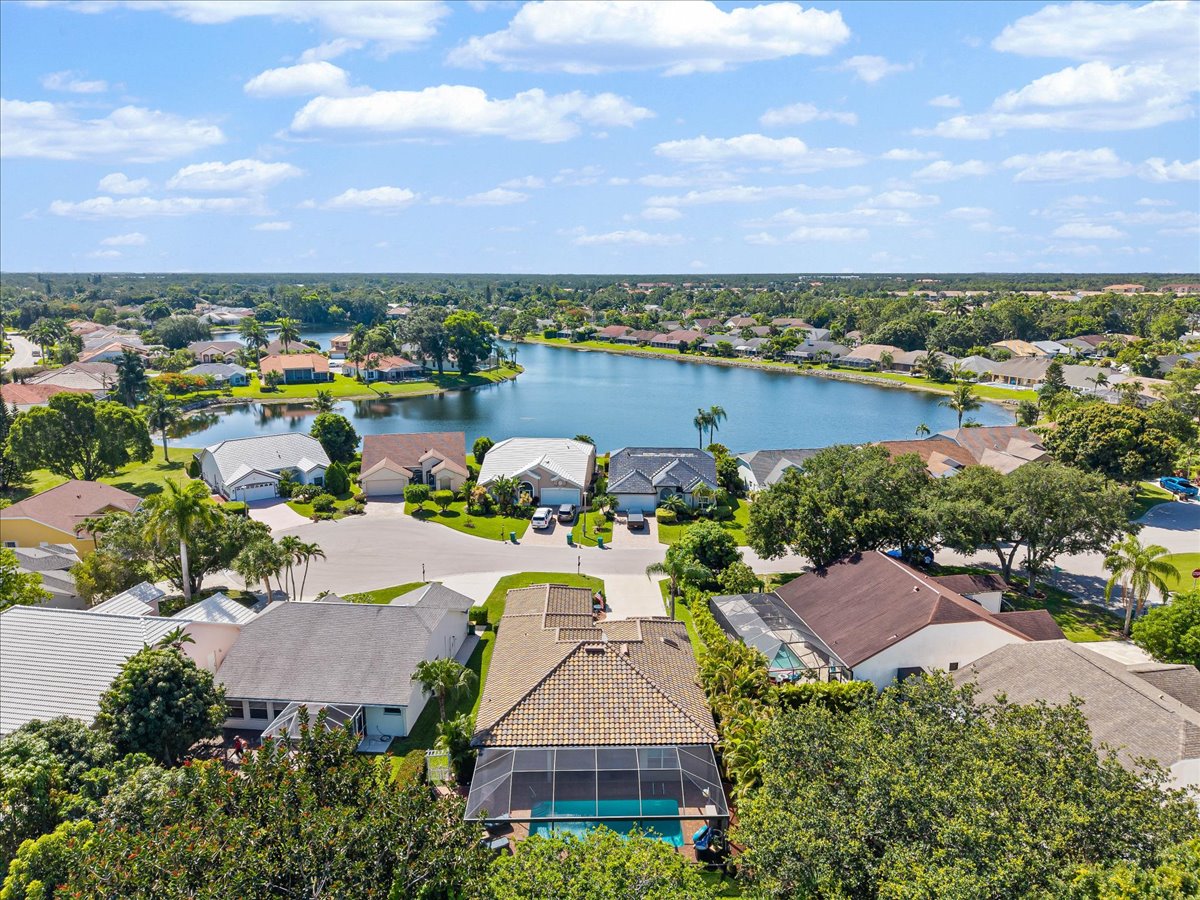
Why Are People Moving Out of Naples, FL?
Why Are People Moving Out of Naples, FL?
Why are people moving out of Naples? That’s a BIG question. This year, Several of the sellers I’ve worked with did the same thing.
They sold their Naples home. And they left the state.
Half of them left for one reason. Family. A grandbaby. Aging parents. A daughter three states away starting her own family, and they didn’t want to keep missing it.
A quarter of them left for a different reason. Twenty-plus years of boarding up windows every June. Twenty-plus years of watching a storm track toward their zip code. They wanted mountains. They wanted a slower pace of life. They’d earned both.
And here’s what twenty years in a Naples home buys you. Real equity. I’ve watched sellers walk away with well over half a million dollars to $1+M, enough to buy the next home in Georgia or Tennessee outright. Cash. No mortgage. No new payment. Just a fresh start, already paid for with leftover to enjoy life.

Not every move was easy. A few of my sellers found the other side harder than they expected. New town, new doctor, new grocery store, no version of “home” yet. That part is real too, and I’m not going to pretend it isn’t.
That’s exactly why I built the Naples Exit Plan. Most of my sellers this year are leaving the state, and too many of them didn’t have a real plan for the other side. I built one, shaped by watching this play out, client after client, all year long. More on that below.
I see a second kind of leaving too, and it has nothing to do with insurance or hurricanes. Some people move to Naples, get two years in, and leave anyway. Not because Naples let them down. Because they never built the life to go with the house. Bought on price instead of lifestyle. Assumed every part of Naples was the same, when North Naples and Old Naples and Pelican Bay and the Estates barely feel like the same town. Never put down the routines that turn a house into a home, a coffee shop, a gym, a church, people. I made a Reel about that one. It’s sitting at half a million views, so clearly I’m not the only one who’s watched it happen.
Why some people move to Naples, FL and leave two years later” — @philly_rodriguez, Aug 4 2026
People are leaving Naples.
That’s true.
Collier County is also growing.
That’s true too.
Two true things. Living in the same sentence. Let me show you how.
The City Is Not The County
Here’s a mistake almost everybody makes. They say “Naples.” They mean something bigger.
The City of Naples is small. About 20,000 people. Port Royal. The Pier. Millionaire’s Row. That part hasn’t grown in years, and it won’t. There’s no land left. Nowhere to build. When you tear something down, you build up, not out. That’s why you’re seeing new buildings like The Metropolitan, The Avenue, and Halcyon rise where old ones used to stand.
Collier County is a different animal. Over 2,000 square miles. North Naples. Ave Maria. Golden Gate Estates. A decade ago, about 340,000 people called it home. Today, well over 400,000 do.
So when somebody tells you Naples is emptying out, ask them one question: which Naples? The small one is full and staying full. The big one keeps growing. Both stories are true. They’re just not the same story.
Reasons People Leave
Nobody leaves paradise for one reason. It’s always several, stacked on top of each other, until the weight is too much to carry.
One. The insurance stopped making sense.
I hear this the most. From people who’ve been here fifteen years. Twenty years. Thirty years. Insurance premiums went up. Property taxes went up right along with them, because home values went up. Add it together and the math breaks. It doesn’t matter how much you love your house. A number is a number.
Two. Hurricane fatigue is real.
This isn’t about disliking Naples. It’s about being tired. Track the storm. Board up the house. Pack the car. Leave. Come back. Fix what broke. Do it again next year. After a few rounds of that, some families move “half-back” up the coast, to places like the Carolinas or Tennessee. Let me be straight with you: those states have their own storms too. Nobody escapes weather. They just trade one kind for another.
Three. Condo fees jumped, and jumped fast.
After the Champlain Towers collapse in Surfside, the rules changed for every building four stories and up. Milestone inspections. Structural integrity reserve studies. Fully funded reserves. Good rules. Necessary rules. They also came with a bill. Special assessments. Quarterly fees that doubled, sometimes more, almost overnight.
Here’s what makes it worse. According to NABOR’s own July 2026 numbers, the median condo price in Naples actually dropped 4.8 percent this year, down to $400,000. So condo owners are getting squeezed from both directions. The fee to keep the unit went up. The price they’d get for selling it went down. That’s not a feeling. That’s the math, straight from the board.
Four. Infrastructure strain and overdevelopment.
Naples and Southwest Florida used to feel like a quiet coastal escape. Now, constant construction, widening roads, and non-stop development are changing the very character that brought people here in the first place. For many long-time residents, the endless building and added traffic take away from the quality of life they paid for, turning paradise into one big active construction zone.
All the reasons. Insurance. Storms. Condo fees. Overdevelopment. Stack them up, and you understand the exodus.
The Reason Nobody Talks About
Here’s a fifth one. The quiet one. The one that costs people the most because nobody warns them.
Your Homestead Exemption doesn’t pack its bags with you. Your Save Our Homes cap doesn’t either.
If you’ve owned your Naples or Southwest Florida home ten years or more, that cap has been saving you real money, every single year, on your property taxes. The day you sell, it’s gone. And Florida’s no state income tax? That was part of the math when you moved here. It’s part of the math again when you leave, just in the opposite direction.
I’m not telling you this to keep you here. I’m telling you so you ask the same questions about your next state that you should have asked about this one. I built a whole chapter of my Naples Exit Plan around exactly this, because I’ve watched too many people get surprised by it after the fact. Surprises are the one thing you can plan your way out of.
Why The Numbers Keep Climbing Anyway
So if this many people are frustrated enough to leave, why does Collier County keep growing?
Simple. For almost every family that leaves, another family moves in behind them. Usually a high earner working remote. Usually a retiree from the Northeast or the Midwest. Someone the insurance number and the tax number don’t scare off the way it scares off everybody else.
Naples used to be seasonal first, full-time second. Now it’s flipped. Remote work turned part-time residents into full-time ones. Our seasonal crowd is still massive too. Peak season, Collier County runs well over 500,000 people. But even that group is changing. Some longtime part-timers are selling because of the condo fees. They’re being replaced by a younger crowd, people in their fifties, who spend more months here than the old three-month snowbird ever did.
And at the very top of the market, money is still pouring in. NABOR’s July 2026 report counted ten sales above $10 million that month. Three of those topped $20 million. In Naples Beach, single-family homes sold for a median of $2.5 million, up 31.6 percent from a year ago. In North Naples, the median single-family price jumped 46.2 percent, to $1,132,500. Somebody is buying every house that somebody else is selling. That’s not a theory. That’s July’s closing statements.
One door closes. Another one opens, and somebody walks in with cash.
Where Naples Actually Stands, Q3 2026
Let’s use real numbers. Not vibes. Not a headline from six months ago. The Naples Area Board of REALTORS® released its July 2026 report on August 21, the first full month of Q3, and here’s what it says.
Homes are taking longer to sell. 108 days on market, up from 101 days a year ago. That’s real, but it’s not a crash. It’s up under seven percent.
Closed sales are up 14.5 percent from last July. Inventory is down 21 percent from last July. Months of supply dropped from 8.7 down to 5.8. That means homes, overall, are actually harder to find than they were a year ago, not easier.
Price cuts are down too. 970 price reductions in July, compared to 1,296 the year before. Translation: sellers are pricing smarter, right out of the gate, instead of guessing high and chasing the number down.
The overall median closed price climbed to $590,000, up 2.6 percent. Single-family homes climbed harder, up 12.9 percent to $745,000. Condos are the one soft spot, down 4.8 percent to $400,000, which lines up exactly with what we already talked about.
NABOR’s own broker analysts called this a well-balanced market. Buyers are being patient. Sellers are being realistic. Deals are still getting done. Naples is not crashing, and it is not on fire either. It is doing the one thing a smart market is supposed to do: settle into a price that’s true.
The Number Says One Thing. The Doors Say Another.
5.8 months of supply. By the textbook, anything under six months is a seller’s market. That’s the rule everybody learned.
But I’m not reading a textbook. I’m standing at the door.
Nobody’s bidding over list. I’m not watching twenty offers stack up on one house. I’m not watching buyers throw an extra twenty, twenty-five thousand dollars on top of asking just to win it. That’s what a real seller’s market feels like on the ground, and that is not what’s happening in Naples right now.
Here’s what’s actually happening. Price it right, and it moves. Price it wrong, and it sits, no matter how tight the supply looks on paper.
And here’s the part the number doesn’t count. A good chunk of that “tight” inventory isn’t tight because buyers snapped everything up. It’s tight because sellers pulled their homes off the market. Didn’t sell. Decided they didn’t have to. Took the sign down and waited for a better season. That’s not demand outrunning supply. That’s supply going into hiding.
A number on a page and a buyer standing at your door are two different things. When they disagree, trust the door.
If You’re Thinking About Leaving
Whatever your reasons.. Insurance. Storms. Condo. Whatever it is, you don’t have to figure out the timing, the taxes, or the “what did I forget” list by yourself.
Start with the number. What is your home actually worth, right now, in a market where single-family is climbing, and condos are cooling? That’s exactly what my Equity Protection Audit is for: a straight, no-pressure look at where your home stands before you decide anything.
Once you know the number, the plan comes next. That’s my Naples Exit Plan. It walks you through the Florida things people forget and connects you with the right agent wherever you’re headed next. Leaving Naples should look like a plan. Not a scramble.
And if you’re staying? If you’re just trying to figure out whether now’s the right time to make a move here in Naples? That’s a conversation too.
Either way, don’t sit with the question by yourself. Call or text me at (239) 350-2356.
If you’ve been thinking about this move for over 5 years now and still don’t know where to start? Get access to my Naples Exit Plan
Also read my blog: LEAVING NAPLES WHAT NOBODY TELLS YOU THE FIRST YEAR.
Why are people moving out of Naples, FL?
Three reasons, mostly. Insurance premiums have climbed sharply. Hurricane fatigue has worn people down after several active storm seasons. And condo fees jumped after new post-Surfside safety rules, like milestone inspections and structural integrity reserve studies, forced buildings to fully fund their reserves. Rising property taxes make all three heavier.
Is Naples, FL losing population?
No. The City of Naples has held steady around 20,000 residents because it’s built out, land and all. But Collier County as a whole has grown from around 340,000 people a decade ago to well over 400,000 today. People leaving the older, built-out core are being replaced by new full-time residents moving into North Naples, Ave Maria, and other growing areas.
Where are people moving from Naples to?
Many longtime Naples homeowners move “half-back” up the coast, to states like the Carolinas, Tennessee, or Georgia. Close enough to stay connected to family and the coast. Far enough to cut insurance costs and hurricane exposure.
Is Naples still a good place to live in 2026?
Naples is shifting, not declining. According to NABOR’s July 2026 Market Report, homes are taking longer to sell (108 days, up from 101 a year earlier), but closed sales are up 14.5 percent, and inventory is actually down 21 percent year over year. Naples’ own broker analysts describe it as a well-balanced market, not a weak one. The weather, lifestyle, and tax advantages that brought people here in the first place haven’t gone anywhere.
What is the Naples, FL housing market doing in Q3 2026?
As of NABOR’s July 2026 report, the overall median closed price is $590,000, up 2.6 percent year over year. Single-family homes are climbing faster, up 12.9 percent to $745,000, while condo prices are down 4.8 percent to $400,000. Months of available supply dropped to 5.8, down from 8.7 a year ago, meaning inventory is tighter, not looser, even with more new listings hitting the market.
Is Naples, FL in a seller’s market right now?
By the numbers alone, close. Naples is sitting at 5.8 months of supply, and the textbook line for a seller’s market is anything under six months. But months-of-supply math and real buyer behavior are telling two different stories. Buyers aren’t bidding over list price or stacking multiple offers on well-priced homes the way they do in a true seller’s market. Homes that are priced right are moving. Homes that are priced wrong are sitting, regardless of how tight supply looks on paper. Part of what’s tightening the number is also sellers pulling listings off the market rather than selling them, which shrinks supply without reflecting real buyer demand.
What should I know before selling my Naples home and relocating out of state?
Know what doesn’t travel with you. Florida’s Homestead Exemption and Save Our Homes property tax cap end the day you sell. Florida’s lack of a state income tax was likely part of your financial picture too, and that changes once you leave. Run the same math on your destination state before you lock in a timeline.