
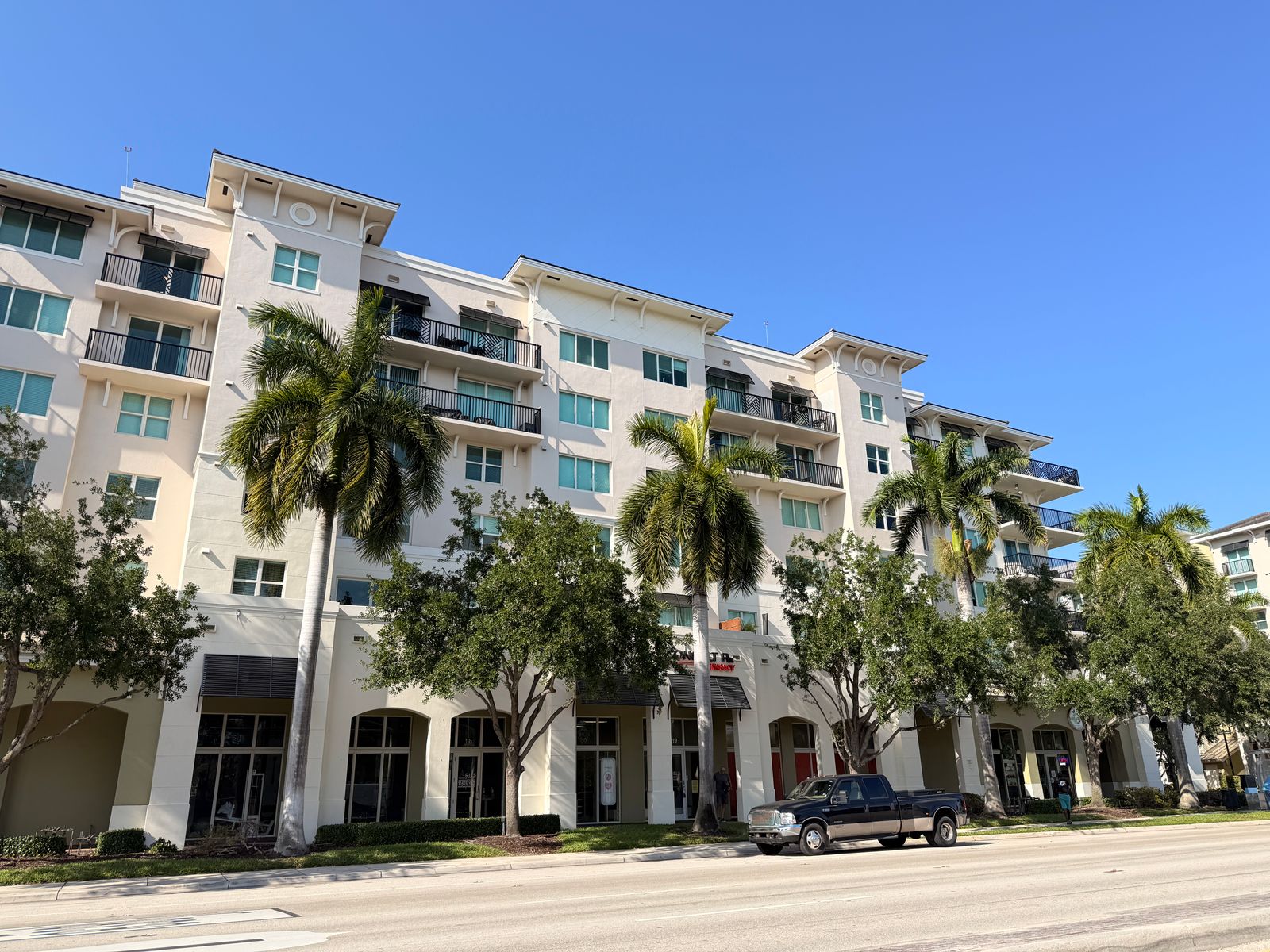
If you own a condo in Naples, or you’re about to buy one, two documents now decide more about your money than the listing photos do. The milestone inspection report and the structural integrity reserve study. A building can look perfect and still be sitting on a six figure assessment that nobody has voted on yet.
This is the question I get asked most often right now, and it’s the one where the wrong answer is most expensive. Here’s how the law actually works, what to ask for, and what it means on both sides of a sale.
One thing up front. I’m a Realtor, not an attorney or an engineer. This is how the process works and what to request. For advice on your specific building, you want a Florida community association attorney and the association’s own documents. The state regulator, the Florida DBPR Division of Condominiums, Timeshares and Mobile Homes, publishes the statutes, rules and complaint procedures.
What changed, and why it lands on you
After the Champlain Towers South collapse in Surfside in June 2021, Florida rewrote how condominium buildings are inspected and funded. The legislature has amended it almost every year since, most recently with HB 913 in 2025.
The short version is that two things that used to be optional are now required. Buildings of a certain age have to be structurally inspected on a schedule, and associations have to study and fund reserves for the structural components instead of voting to waive them.
That second part is the one that hits owners in the wallet. For decades a lot of Florida associations kept dues low by waiving reserves every year. That option is gone, and the catch up is arriving now.
The milestone inspection
This is the structural one. It lives in Florida Statute 553.899, and the full text is worth a look if you want the language rather than my summary.
Which buildings have to do one
Residential condominium and cooperative buildings that are three or more habitable stories, and mixed ownership buildings that contain condominium or cooperative units.
Habitable is the operative word. Parking garages, mechanical floors and other non-habitable levels don’t count toward the three. A two story building over parking is generally not caught by this, and people get that wrong in both directions.
When it’s due
The first inspection is required at thirty years after the certificate of occupancy was issued, and then every ten years after that.
Local jurisdictions have authority to require the first one earlier, at twenty five years, in areas with saltwater exposure. In a coastal county this matters, so don’t assume the thirty year number applies to a specific building without checking what the local enforcement agency requires.
Buildings hitting the trigger in a given year have until December 31 of that year to complete it.
Phase One, and what “substantial structural deterioration” means
Phase One is a visual inspection by a licensed architect or engineer. It has to be completed within 180 days after the association receives official notice from the local enforcement agency.
The inspector is answering one question: is there substantial structural deterioration. If the answer is no, the building files the report and the clock resets for ten years.
Worth understanding, because it causes a lot of unnecessary panic at closing tables: this is a structural standard, not a cosmetic one. Surface cracking, staining and ordinary wear are not automatically substantial structural deterioration. A Phase One that notes items without triggering Phase Two is a normal outcome, not a red flag on its own.
Phase Two, and the repair clock
If Phase One finds substantial structural deterioration, Phase Two becomes mandatory. That’s the deeper one, with testing and engineering analysis to determine what has to be repaired and how.
Then the clock that matters starts. Repairs must commence within 365 days after the local enforcement agency receives the Phase Two report. If they don’t, the agency is required to review whether the building is safe to occupy.
This is the sequence that turns into a special assessment. Not the inspection itself. The repair obligation with a deadline attached to it.
Who performs it
A Florida licensed architect or engineer. And under HB 913 there are conflict of interest rules worth knowing about, which I get to further down, because they affect how much you should trust a scope that comes bundled with a repair bid.
The Structural Integrity Reserve Study
The milestone inspection asks whether the building is sound. The SIRS asks whether there’s money set aside to keep it that way. They’re separate requirements and people constantly conflate them.
What a SIRS actually is
A study of the structural components of the building that establishes what they’ll cost to repair or replace, when, and how much the association needs to be setting aside each year to get there. It’s required for the same category of buildings, three or more habitable stories.
The deadline, and the one extension
The general deadline was December 31, 2025. There’s one carve out: associations that are required to complete a milestone inspection by December 31, 2026 may complete the SIRS at the same time, which moves their study deadline to December 31, 2026.
There’s also a shortcut in the other direction. A milestone inspection completed within the previous five years can substitute for the visual inspection portion of the SIRS, so the two are designed to feed each other.
If you’re buying in 2026, you’re buying in the window where some buildings have a completed study and some are still finishing one. Those are materially different purchases.
Why associations can’t waive reserves anymore
For budgets adopted after December 31, 2024, associations can no longer waive or underfund the reserves the study says are required for structural components.
This is the single biggest financial change in Florida condo ownership in a generation. A building that kept dues artificially low for twenty years by waiving reserves now has to fund them, and the study tells it how much. Some of those increases are large.
The temporary reduction HB 913 allows
There is one release valve, and it’s narrow. An association that completed its milestone inspection within the previous two years may reduce reserve funding for up to two consecutive budget years, if a majority of voting interests approve, and if the money is going toward repairs the inspection identified.
Read that carefully if a seller or a listing agent tells you the association “voted to lower the reserves.” That’s a two year pause tied to specific repairs, not a permanent reprieve, and the funding requirement comes back.
The dollar threshold that decides what’s in the study
The study has to cover items above a deferred maintenance and replacement cost threshold, and that number adjusts annually. For 2026 it’s $25,675, up from $25,000. Confirm the current figure when you’re reading a study, because a component that fell under the line one year can land above it the next.
What this means if you’re buying a Naples condo
This is where it stops being trivia and starts being your money.
The documents to get before your inspection period runs out
Ask for all of these, in writing, and don’t let the period expire while you wait:
- The milestone inspection report, Phase One and Phase Two if there was one
- The completed structural integrity reserve study
- The last two years of association budgets and the current reserve balances
- Board meeting minutes for the last twelve months, which is where assessments get discussed long before they get voted
- Any engineer’s repair scope or contractor bids already obtained
The minutes are the underrated one. An assessment that hasn’t been voted on yet doesn’t show up on any disclosure form, and it’s often been discussed in open meetings for months.
How to read an assessment that hasn’t happened yet
If Phase Two identified repairs and the association hasn’t funded them, somebody is going to pay for them, and after closing that somebody is you.
Get the engineer’s estimated repair cost, find your unit’s percentage of ownership in the declaration, and multiply. That’s your rough exposure. It’s not exact, and it’s far better than finding out in your first year.
What lenders are doing with this
Conventional financing on condos looks at the association, not just at you. Buildings with unresolved structural findings, insufficient reserves, or deferred maintenance can end up ineligible, which affects both your loan and, later, your buyer pool when you sell.
Ask your lender early whether the specific building is approved. Finding out at week three of a thirty day close is a bad way to learn it.
Two units at the same price are not the same buy
One building finished its milestone inspection with no Phase Two, has a completed study, and is funding reserves. The other has a Phase Two report, no assessment voted yet, and a board that’s been discussing it since spring.
Same list price, same square footage, same view. Completely different purchase. This is the strongest argument I know for running the whole monthly and long term cost rather than comparing list prices, and it’s the same logic I walk through in what a Naples home actually costs per month.
It’s also why I treat condos as their own market rather than lumping them in with everything else. More on that in Naples is not one market, it’s four.
What this means if you’re selling a Naples condo
Disclosure and the documents you hand over
Florida requires condominium sellers to provide association documents to the buyer, and the inspection and reserve documents are part of the picture a buyer is entitled to evaluate. Withholding a known assessment is not a strategy, it’s a problem.
The better play is to get ahead of it. Have the documents assembled before you list, so a buyer’s agent asking for them gets them in a day instead of using the delay against you.
Pricing against a known assessment
If your building has a voted or clearly coming assessment, the market prices it in. Pretending otherwise produces showings, no offers, and a price reduction in week five that costs more than addressing it at the start.
There are a few ways to handle it. Price to reflect it, credit it at closing, or pay it off at closing so the buyer takes a clean unit. Which one works depends on the size of the number and who your buyer is. That decision is exactly what the diagnosis step of my listing process is for.
Your buyer pool changes, and so does the marketing
Financing constraints push some buildings toward cash buyers. That’s a smaller pool, and reaching it is a different job from putting a listing on the MLS and waiting. If your building is in that category, the plan has to account for it from day one rather than after sixty days of quiet.
The conflict of interest rules nobody mentions
HB 913 added something practical. Design professionals bidding on inspections have to disclose whether they also intend to bid on the repair or replacement work that comes out of it. And contractors bidding on recommended repairs can’t hold undisclosed interests in the inspection firm.
That exists because the incentive problem is obvious. If you’re an owner reading a scope that seems to have grown, asking whether that disclosure was made is a fair and now legally grounded question.
Common questions about Naples condo inspections and reserves
Does my Naples condo need a milestone inspection?
If it’s a residential condominium or cooperative building of three or more habitable stories, yes, at thirty years after the certificate of occupancy and every ten years after. Local jurisdictions may require the first one at twenty five years in saltwater exposure areas, which matters in a coastal county, so confirm with the local enforcement agency rather than assuming.
What’s the difference between a milestone inspection and a SIRS?
The milestone inspection is a structural evaluation that asks whether the building has substantial structural deterioration. The structural integrity reserve study is a financial study that determines what structural components will cost to repair or replace and how much the association must reserve each year. Different questions, both required for the same buildings.
What happens if a building fails Phase One?
There’s no pass or fail. If Phase One identifies substantial structural deterioration, Phase Two becomes mandatory, with testing and analysis to determine the repairs. Repairs have to commence within 365 days after the local enforcement agency receives the Phase Two report, and if they don’t, the agency reviews whether the building is safe to occupy.
Can my association still waive reserves to keep dues down?
Not for the structural components covered by the study, for budgets adopted after December 31, 2024. HB 913 allows a narrow exception: an association that completed a milestone inspection in the previous two years may reduce that funding for up to two consecutive budgets with majority approval of voting interests, and only where the money goes toward repairs the inspection identified.
When was the SIRS deadline?
December 31, 2025 for most associations. Those required to complete a milestone inspection by December 31, 2026 may complete the study at the same time, which extends that deadline to December 31, 2026. A milestone inspection completed within the prior five years can also substitute for the visual inspection portion of the study.
Should I walk away from a condo with a special assessment?
Not automatically, and that’s your decision rather than mine. A known, funded, quantified assessment is often a better situation than a building that hasn’t looked yet, because at least the number exists. The problem cases are the ones where repairs are identified and nothing has been voted, and nobody can tell you what it will cost.
How do I estimate what an assessment will cost me?
Take the engineer’s estimated repair cost from the Phase Two report or the association’s contractor bids, find your unit’s percentage of ownership in the declaration of condominium, and multiply. It’s an estimate rather than a quote, and it is far better than no number at all.
Does this affect getting a mortgage on a Naples condo?
It can. Condo lending looks at the health of the association as well as the borrower, and buildings with unresolved structural findings, inadequate reserves or significant deferred maintenance can be ineligible for conventional financing. Ask your lender about the specific building before you’re deep into a contract.
Where to go from here
If you’re looking at a Naples condo, the building matters as much as the unit, and the documents tell you which building you’re actually buying. Ask for them early, read the minutes, and get the number before your inspection period closes.
If you own one and you’re thinking about selling, the worst version of this is finding out what your building’s situation is from a buyer’s agent after you’re under contract. Knowing first is the entire advantage.
Every closing I’ve handled is published with the address and price on my recent sales page, listing side and buyer side, so you can see the actual record rather than a claim about it.
Buying here for the first time, start with the Naples Buyer Guide. Selling a unit and want to know what a plan looks like before you list, that’s the Power Move Seller Guide. Worried about what underwriting will do with an older building, I wrote separately about what makes a Naples home insurable.
Questions about a specific building, text or call me at (239) 350-2356. Give me the address and I’ll tell you what I’d pull first.
Thirty minutes, no obligation. Or text or call (239) 350-2356.